
A new 31-year study from Barcelona shows that climate change is altering airborne pollen dynamics, with warmer conditions linked to earlier pollen seasons and increased concentrations for some species.
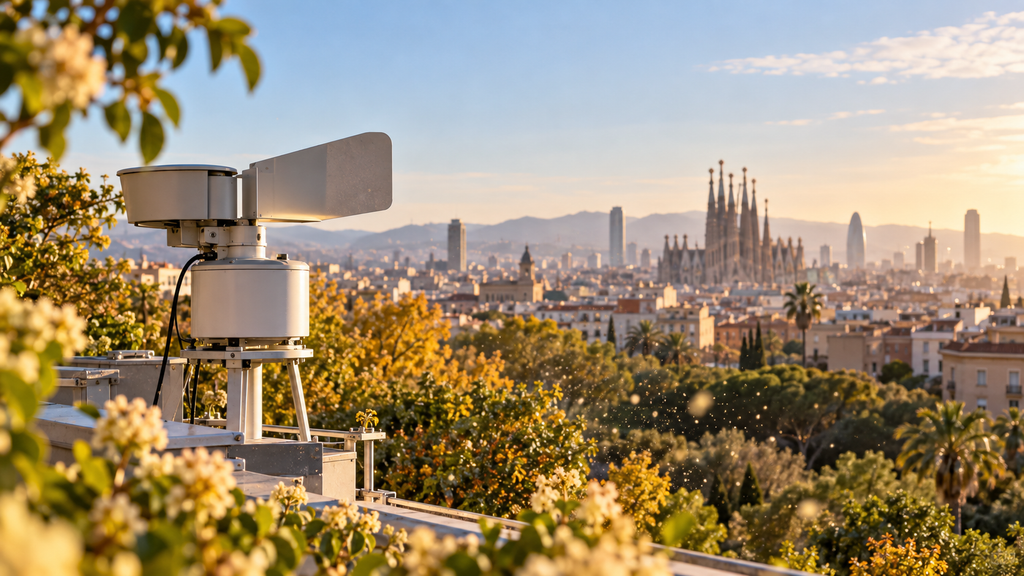
A new study from researchers at the Universitat Politècnica de Catalunya (UPC) has shown that climate change is affecting the timing and intensity of pollen seasons in Barcelona. Based on 31 years of pollen and meteorological data (1994–2024), the study identified clear shifts in airborne pollen dynamics, including an earlier start of the pollen season for a large proportion of the plant taxa analysed. According to the researchers, higher temperatures are associated with an earlier pollen season in 65% of the taxa studied.
The findings are highly relevant for public health. Changes in pollen timing and concentration can lengthen the period during which people are exposed to allergens, potentially increasing risks for those living with allergies, asthma and other respiratory conditions. The study also found that some tree species, such as Alnus and Quercus, showed increases in annual pollen quantities and maximum daily concentrations. This kind of evidence reinforces the need for better monitoring, forecasting and risk communication — all central themes for climate-health adaptation efforts across Europe.
More information, here.